
The Martial Artist’s Journey
By Mr. Randy Kelley
The journey of a martial artist is often portrayed as something purely physical. In reality, it is the same journey many of our students take every day as they battle unexpected challenges. We do not fight hundreds of poorly trained ninjas every day (I know, I am constantly disappointed). Instead, we battle our bodies' inability to move the way we want, our lack of focus while learning forms, our impatience with ourselves, and our desire to finish instead of embracing the struggle that comes with growth.
As humans, our minds and bodies are connected. Together they shape our behavior, which in turn influences both our minds and bodies. Martial arts addresses every part of that cycle and strengthens it.
Watching students when they first begin learning, forms, self-defense, and sparring can be a mess. They do not know where to put their feet or hands, how to move from one position to the next, and they are constantly looking at others, trying to match them while hoping to look good. It never does, nor should it.
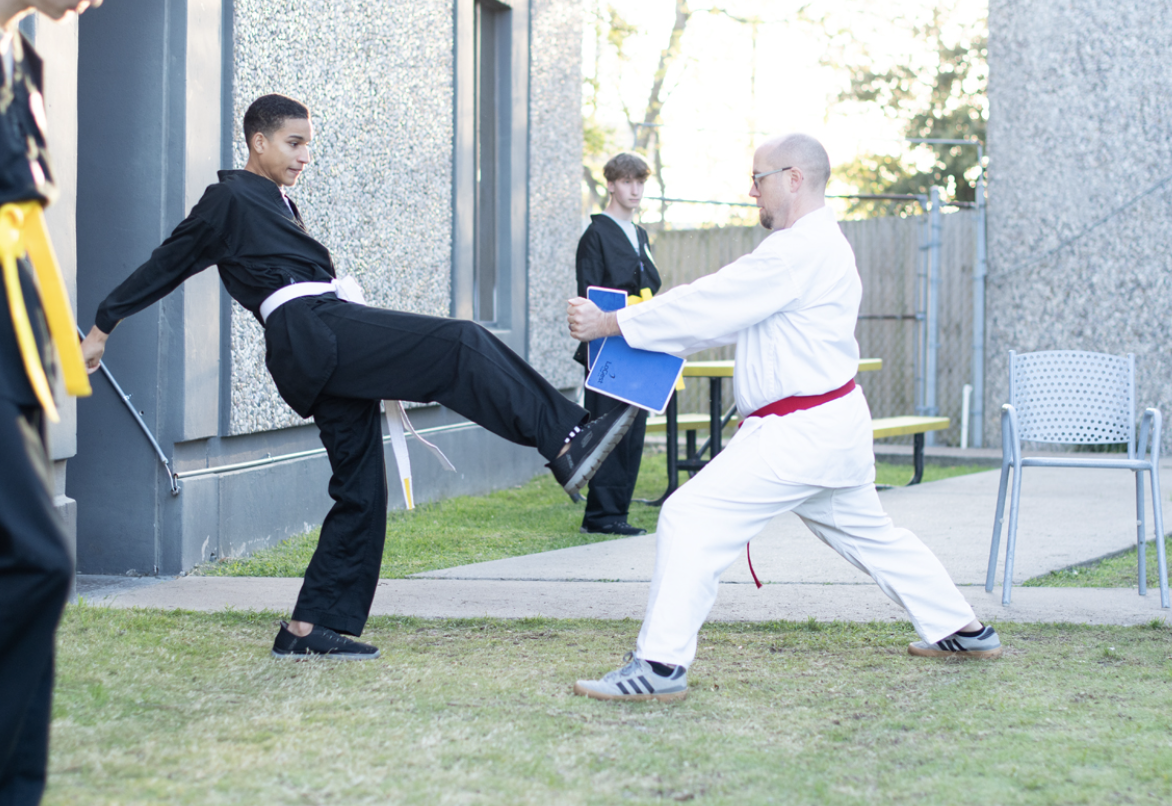
We tend to forget what it was like when we were kids trying to kick or hit a ball and missing badly. That awkwardness is where skill begins. Then, nine months later, you look at those same students and they have transformed. Not only do they know how each movement is supposed to flow, they perform it together as one cohesive class. This is the power martial arts has on our physical development.
When you are practicing martial arts, you cannot think about anything else. If your attention wanders, you make mistakes. Asking your body to move every part into a precise position at exactly the right time forces everything else out of your mind. It demands focus. It is like a forging hammer shaping your brain into something stronger.
When you practice sparring with a partner, you learn to give and receive physical feedback smoothly and respectfully. When we bow together and pledge to treat one another with respect while striving to make the world a better place, something within us begins to change. Not in dramatic ways at first, but gradually over time. That is the nature of meaningful growth.
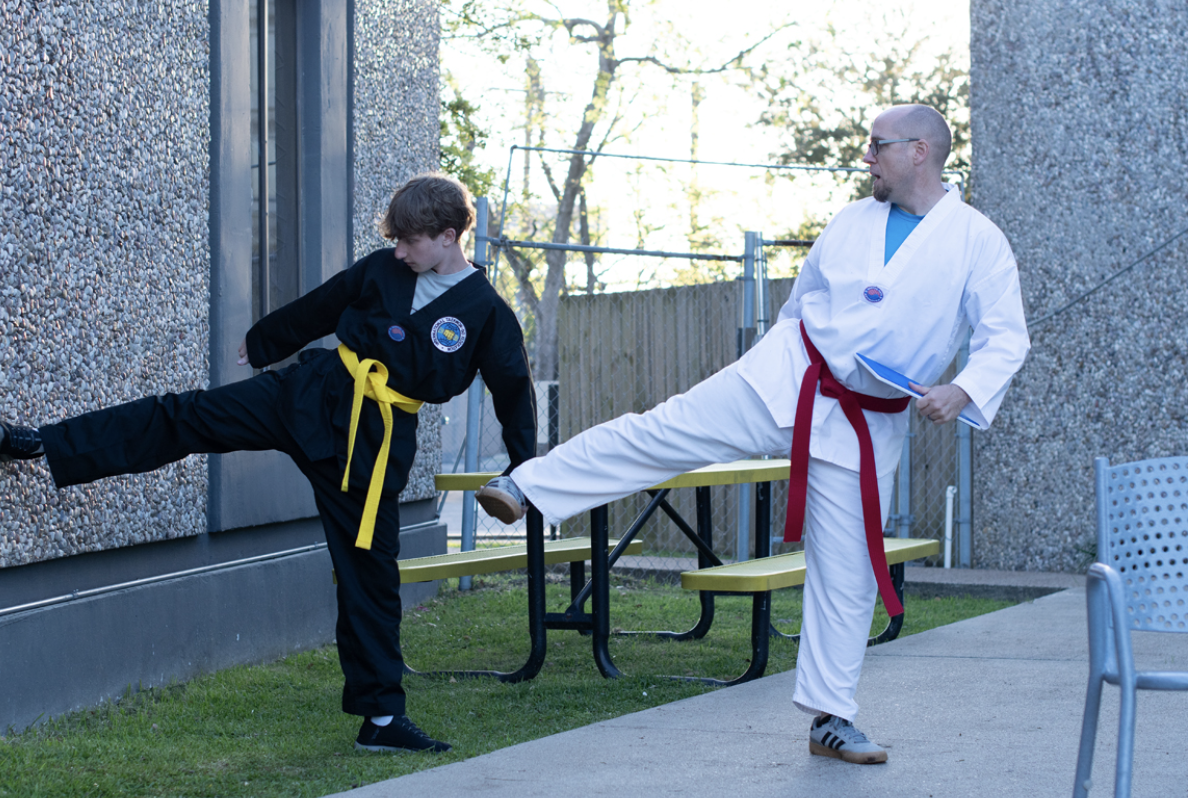
For our students at Gateway, these benefits are especially important. Many of our students work incredibly hard with focus, self-regulation, motor planning, confidence, and social interaction. Martial arts gives them a place to practice all of those skills in a structured, encouraging environment. Every class offers opportunities to experience success, work through frustration, and discover that improvement comes through persistence. That confidence does not stay in the dojang. It follows them into the classroom, the workplace, and their everyday lives.
What martial artists have known through experience, the scientific community has also demonstrated through peer-reviewed research. I have reviewed more than twenty-three
—
As the Assistant Principal at The Gateway Academy, Randy Kelley has taught students with learning differences since 2006. He has led several departments and has created several new vocational programs giving students future employment training. His multifaceted roles encompass overseeing the school's facilities, imparting valuable martial arts skills as an Instructor, and leading the Coding and Drone Piloting courses, fostering discipline and critical thinking among students.